The Private Pilot Training Timeline: Your 2026 Guide From First Lesson to Checkride
The full private pilot training timeline for 2026: every stage from first lesson to checkride, the paperwork at each one, weeks by lesson pace, and what speeds training up or slows it down.
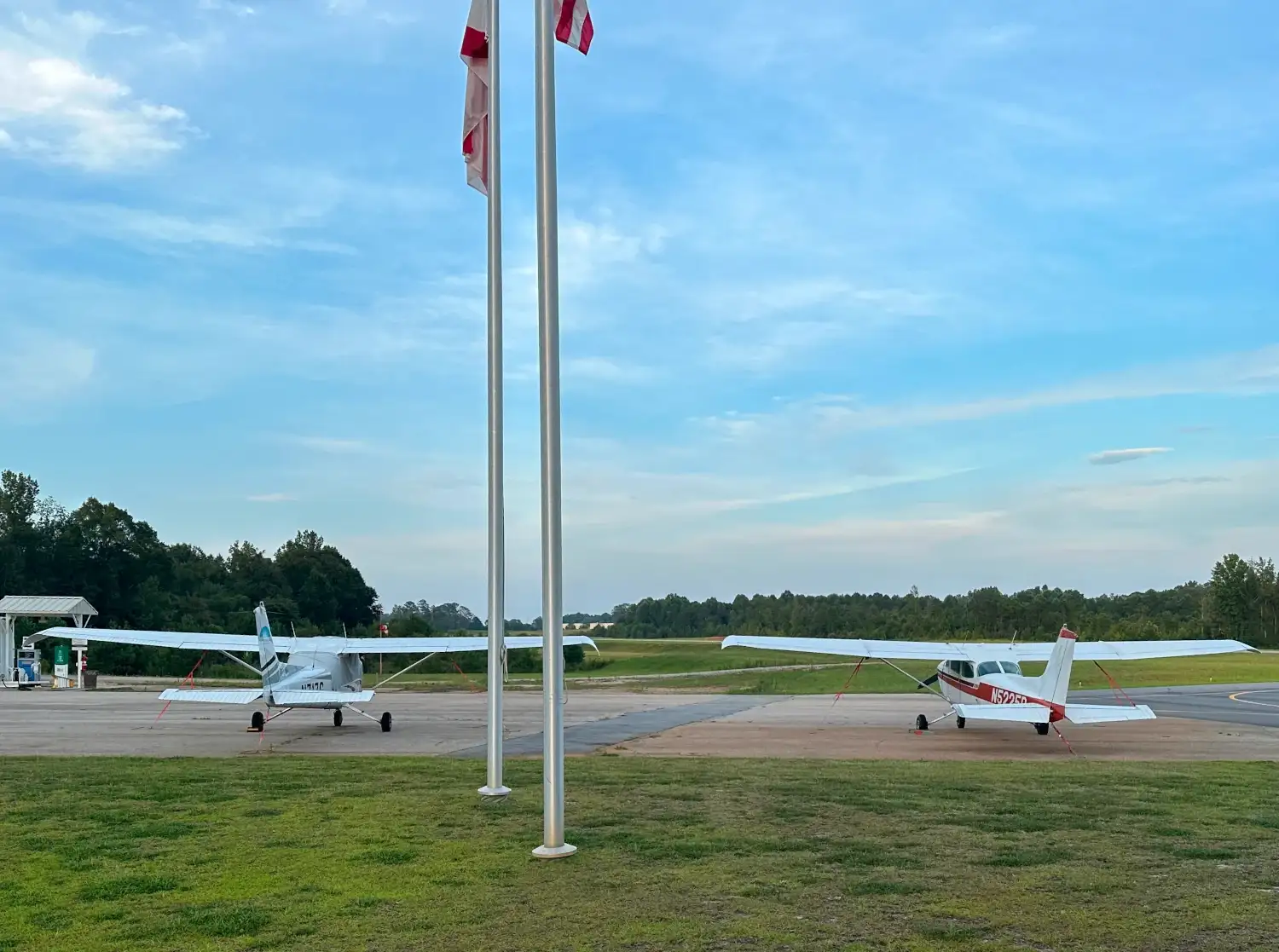
The Private Pilot Training Timeline: Your 2026 Guide From First Lesson to Checkride
Every stage of private pilot training in order, the paperwork at each one, how many weeks your pace adds up to, and how to keep your plan on schedule.
How Long Private Pilot Training Takes, in One Answer
A flight training timeline is the order and length of the stages between your first lesson and your private pilot checkride. At Blue Skies Above, our Full Program is built on a realistic 65-hour average and takes about 13 weeks at three lessons a week. Our 40-hour package is planned at about 9 weeks at the same pace.
Hours set the length of the plan. Under Part 61, the set of FAA rules we train under, the FAA minimum is 40 hours of flight time, with at least 20 hours of instruction and 10 hours solo. Nationally, the FAA puts the average closer to 75 hours. We plan around 65 because the minimum is a legal floor, and most students need more time than that.
Weather, your progress, aircraft and instructor scheduling, and the checkride date set your real finish line. Our article on how long it takes to get a private pilot license walks through each pace in detail.
Your weekly pace turns those hours into weeks. Fly less often and the same 65 hours stretch across more weeks. The list below is simple math from our 13-week plan, before weather and review time:
- 3 lessons a week: about 13 weeks on our 65-hour plan
- 2 lessons a week: about 20 weeks, or 4 to 5 months
- 1 lesson a week: 39 weeks or more
- Our 40-hour package at 3 lessons a week: about 9 weeks
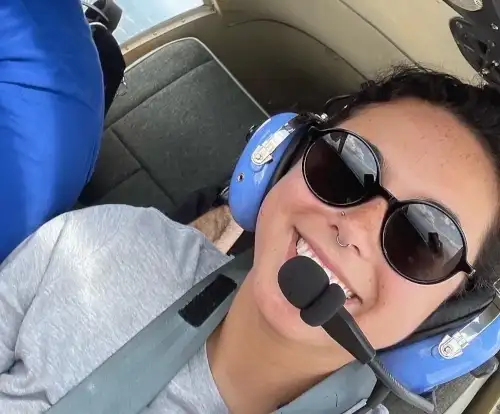
How We Plan Your Training Around Your Week
You are paired with a flight instructor (CFI) and build a training plan around your goals and availability. Your instructor plans each stage ahead, from the solo endorsement to the examiner date, so you know what paperwork comes next before you reach it.
Our own A&P (airframe and powerplant) mechanics maintain our fleet. Our Full Program is built on a realistic 65-hour average, so your calendar starts from a number you can plan around. You pay for the time you fly with no minimum billing, and financing is available to qualified applicants through Stratus Financial and Flight Training Finance.
- A realistic 65-hour plan, about 13 weeks at three lessons a week
- Two to three lessons a week, set around your availability
- No minimum billing
- Financing options for qualified applicants
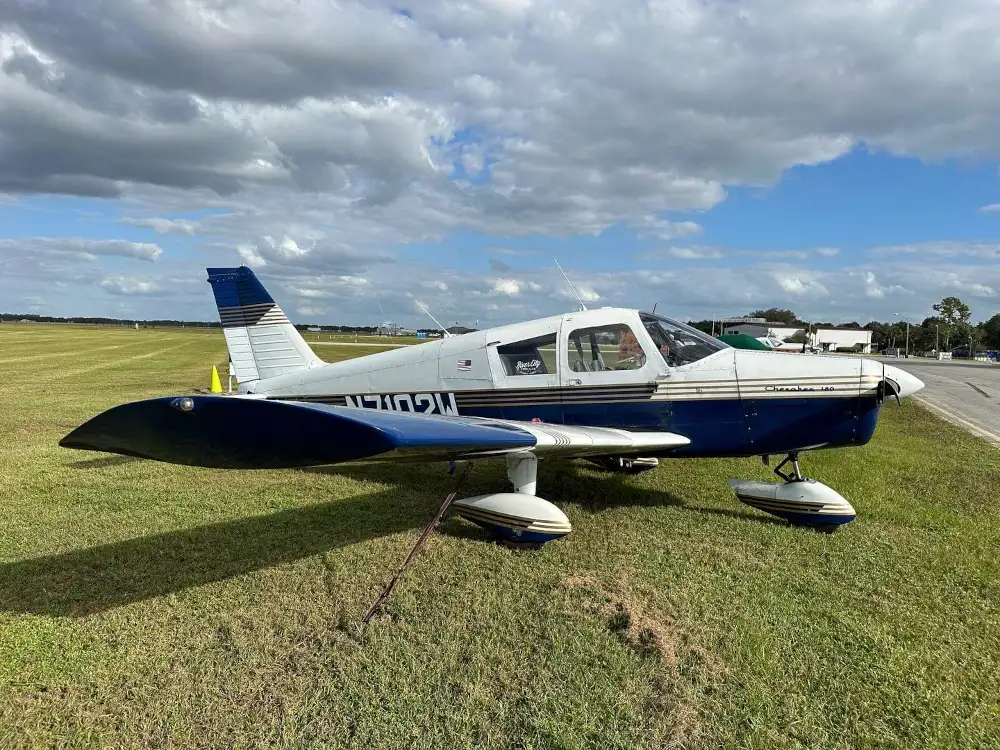
The Five Stages of Private Pilot Training, and the Paperwork at Each
Start flying and file your paperwork early
You can take lessons before you have a medical or a student pilot certificate, but you need both before your first solo. A third-class medical is enough. If you meet the standards, the medical examiner can issue it at your appointment. Apply for your student pilot certificate with your instructor's help early in training so it is in hand before solo.
Earn your first solo
First solo usually comes in the early part of training, and it has to come before any solo cross-country. Your instructor gives you a short pre-solo knowledge test, reviews every missed answer, and signs a solo endorsement in your logbook. That endorsement has to be refreshed every 90 days. The private pilot training milestones article shows where each stage tends to fall.
Pass the knowledge test
The FAA written exam needs an instructor endorsement first, and a home-study course can cover the ground training. A passing result stays good for a checkride for 24 calendar months. We like to see the written done well before the final stretch.
Fly cross-country and at night
In the middle stretch you fly 5 hours of solo cross-country, including one trip of at least 150 nautical miles with full-stop landings at three points. Each solo cross-country gets its own logbook endorsement after your instructor reviews your planning. You also fly 3 hours at night with your instructor, including a night cross-country over 100 nautical miles and 10 night full-stop landings, plus 3 landings at an airport with an operating control tower.
Prepare for and pass your checkride
You fly 3 hours of checkride prep in the 2 calendar months before the test, and your instructor signs off on any areas you missed on the knowledge test. The checkride is your practical test with a Designated Pilot Examiner (DPE), an FAA-appointed examiner, with an oral portion and a flight. Your instructor plans the examiner date as you near the standard. After you pass, a temporary certificate covers you for up to 120 days until your permanent certificate arrives.
What Speeds Your Timeline Up and What Slows It Down
The biggest swing in your timeline is the gap between lessons. Skills fade between flights, so a long gap means the next lesson starts with review. We have no minimum billing, so you pay for the time you fly, and that includes review time. That is why we recommend flying two to three times a week.
Weather is the first slowdown: pop-up summer thunderstorms and low clouds can cancel a lesson, and your instructor makes the go/no-go call. A late medical can hold up your first solo, and if the medical examiner sends your application to the FAA for review, that can take time. Leaving the knowledge test until the end, letting your solo endorsement lapse past 90 days, and waiting on a checkride date all add weeks. Our list of 9 flight training delays and how to avoid each covers every one.
What speeds you up is mostly habit. Book lessons as a recurring weekly block, get your medical early, arrive having read the lesson, chair fly at home (rehearse the flight in a chair with your checklist), and pass the written before the final stretch. Our 8 habits to get your private pilot license faster explains each one.
Some students ask about a full-time, accelerated pace. That choice depends on your week and ours, so contact us to set a schedule that fits your week. If paying for steady lessons is the worry, financing is available to qualified applicants through Stratus Financial and Flight Training Finance.
In a real week, a sample schedule might look like one of these. Set your days with your instructor, then keep them:
- Three-lesson week: Monday, Wednesday, and Friday, about 13 weeks on our 65-hour plan
- Two-lesson week: Tuesday and Thursday, about 20 weeks
- Weather day: keep the slot and turn it into a ground lesson so training still moves
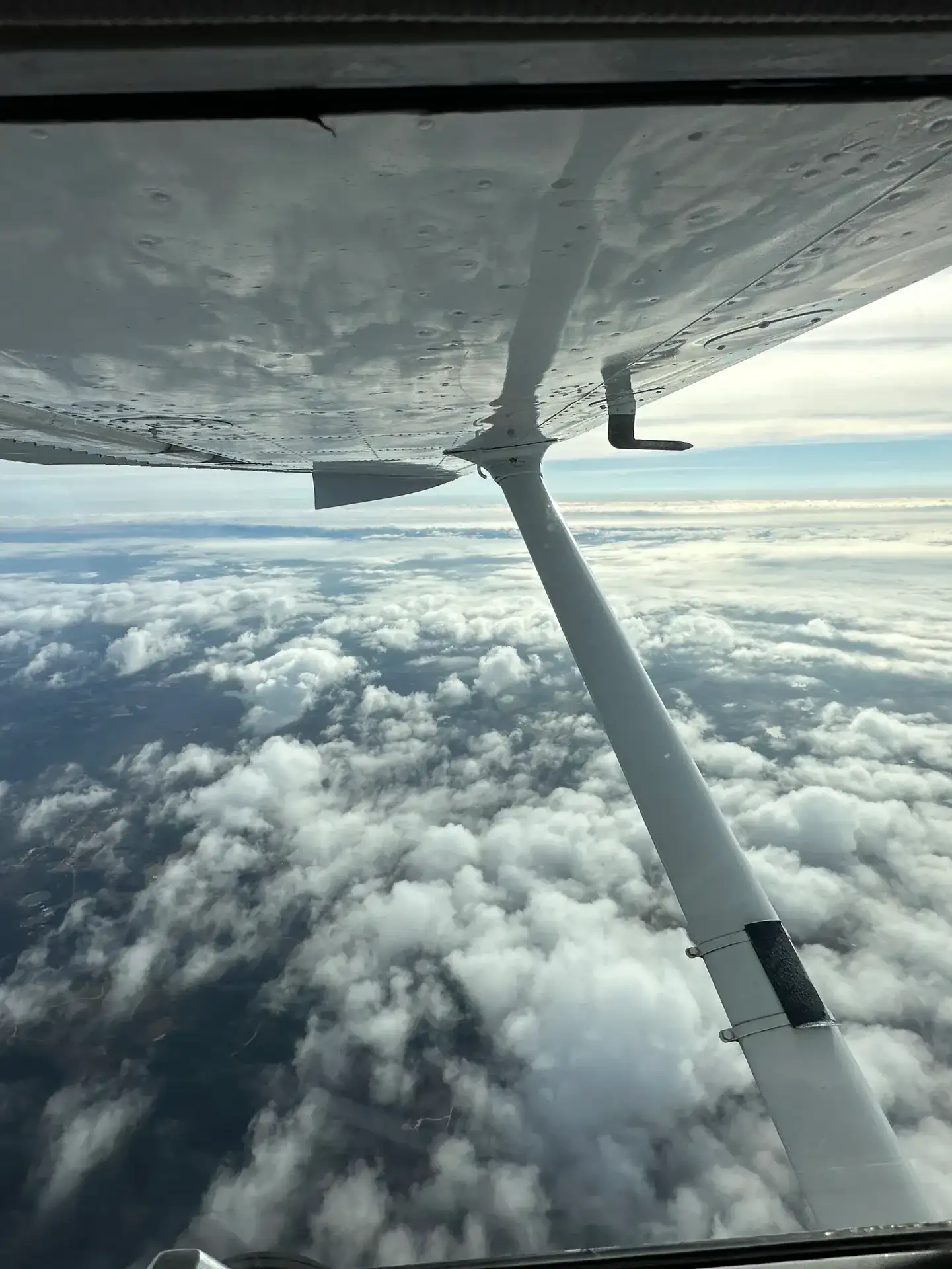
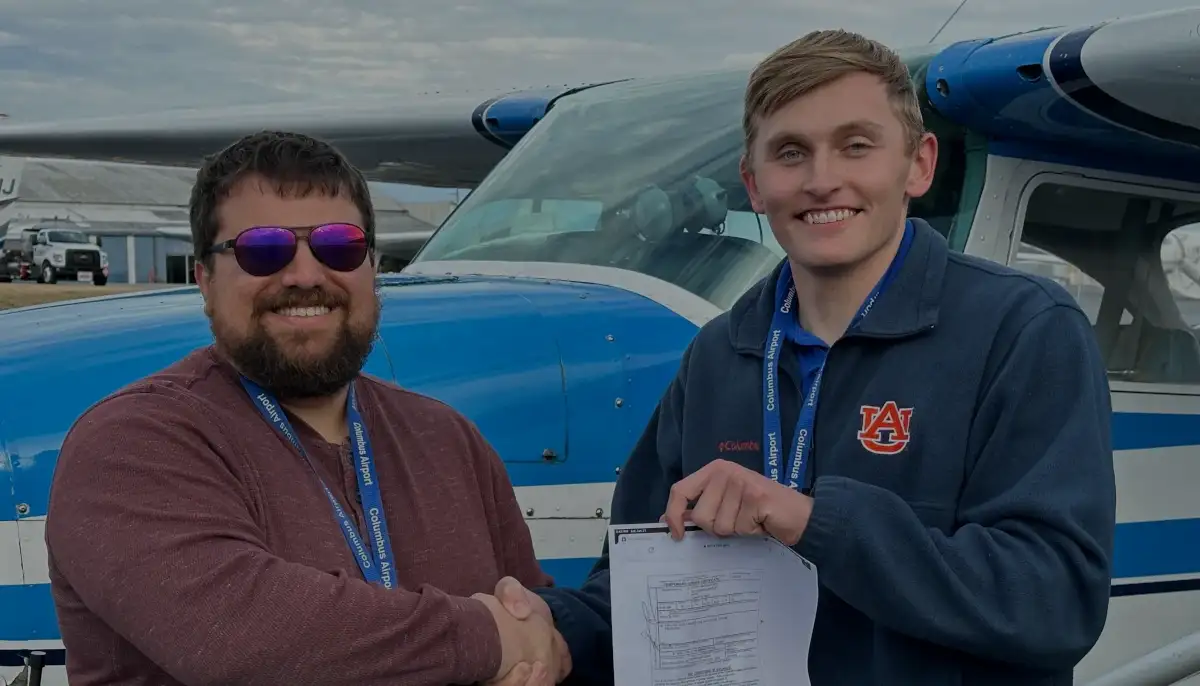
Fly One Lesson, Then Plan Your Weeks
A Discovery Flight puts you in the left seat with one of our instructors, so you can see what a lesson feels like and talk through a weekly schedule before you start the clock on training.
Frequently Asked Questions
Get answers to the most common questions about flight training.